


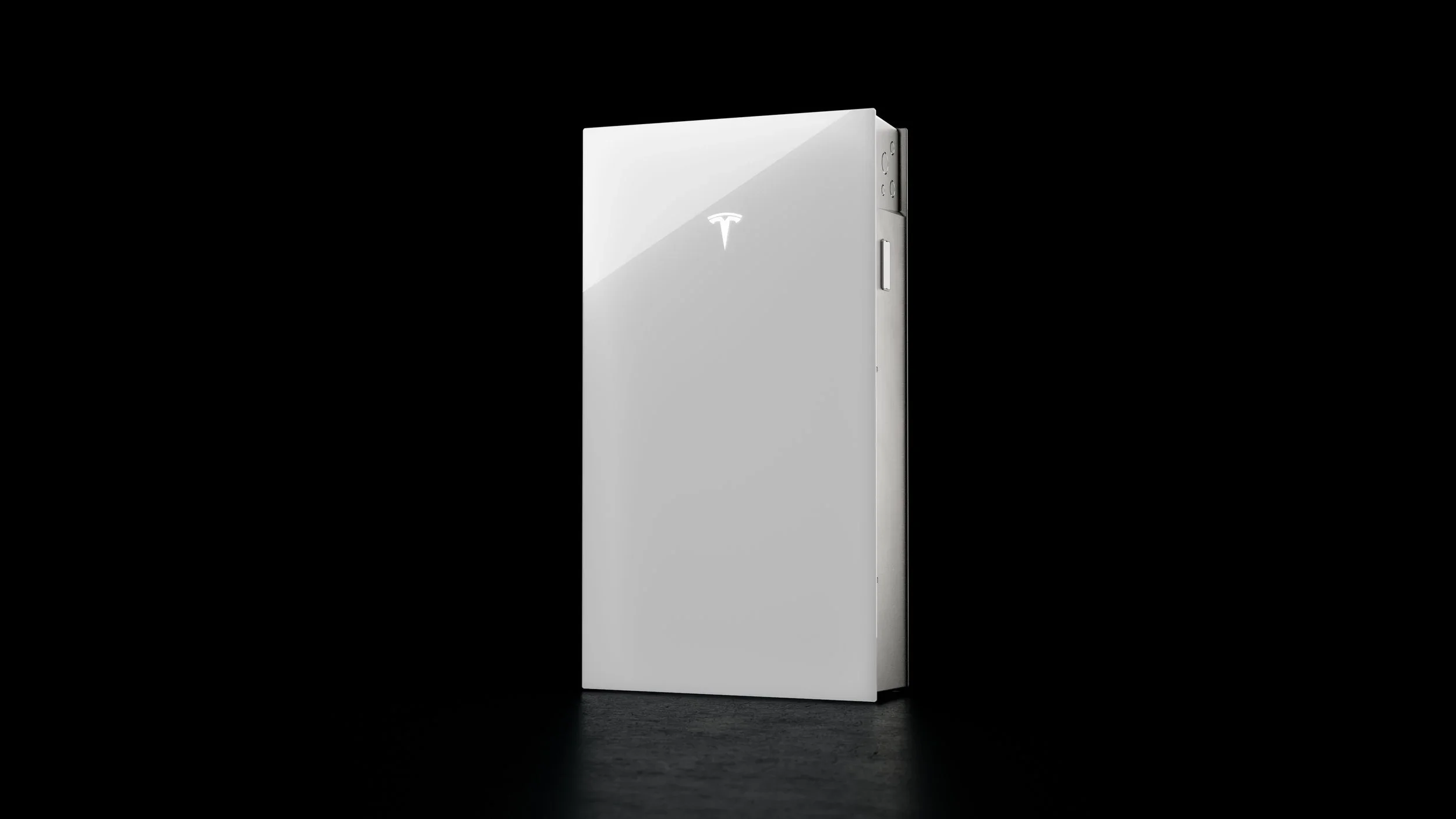
With hot weather still afoot, we want to start making people familiar with an emerging way to make a little extra money, while also supporting the grid during heatwaves, and reducing pollution, all at the same time. This is the concept of the Virtual Power Plant (VPP), and it’s centered around home batteries.
For folks who recently installed solar with batteries, or have added batteries to an existing system, you may already be making VPP money and understand the concept.
For early adopters under the older solar rules that didn’t need batteries, you’ll be needing to add batteries before the end of your 20-year interconnection agreement, and VPP programs will become part of the benefits of having batteries.
The idea is simple. During extreme heat wave events that occur from May to October, a utility company like PG&E buys extra power on the spot, often from giant jet engines in the Bay area that can be turned off and on at a moment’s notice. It tends to be the most expensive and polluting form of making electricity.
However, at the same time, Californians are now adding home batteries at a rate of 8,000 installs per month, connecting around 100 million additional watts of stored energy to the grid every single month, for night time power and back up use. With all of that clean, quiet power mostly sitting idle during a heat wave when the sun is shining, the utility companies are now paying handsomely for homeowners who share some of that stored power to help the grid.
With the largest market share in CA, Tesla was the first to sign a VPP agreement with PG&E, with some homeowners already earning hundreds of dollars a year in addition to their utility bill savings. And participation is simple, easy, and totally voluntary, with each home able to set limits on how much power is shared.
The day before a VPP event is scheduled, which is triggered by PG&E notifying Tesla, homeowners with a Powerwall who have signed up to join the VPP program will get a notification on their phone. It asks if they’d like to participate in the next day’s VPP event, usually a 1-2 hour period in the hottest part of the day. They can click No, and decline to participate in any event.
For those that click Yes, you can set a limit on how much battery power gets shared, and how much you share will affect how much you get paid. Currently, PG&E is paying homeowners $2/kWh for energy supplied during a VPP event, compared to the 30-50c/kWh that we currently pay for PG&E power.
The Virtual Power Plant season runs from May through October, with a minimum of 7 events and a maximum of 30, meaning a guaranteed opportunity to help keep the dirtiest power plants shut off, while getting paid to support the grid. The hotter the year, the more you can earn.
For Tesla Powerwall owners who apply for the $7,500 PG&E battery rebate, they are required to sign up for the VPP program, which is done through the app, and once signed up, you can decline to participate in each event as they occur. However, declining to participate in events means no earnings can be realized.
We are working with other battery manufacturers and third party VPP aggregators on being able to offer VPP benefits to all of our battery customers, as it is only a matter of time before this becomes standard practice. Some batteries have VPP programs with utilities in other parts of the U.S. and are yet to sign up with PG&E, and we are in discussions with a VPP aggregators who works with installers like us to aggregate our battery customers into a VPP, so stay tuned!
For more information, come to one of our monthly Sunlight to Socket meetings, either online or in person.
Tesla owners can also click the button below:

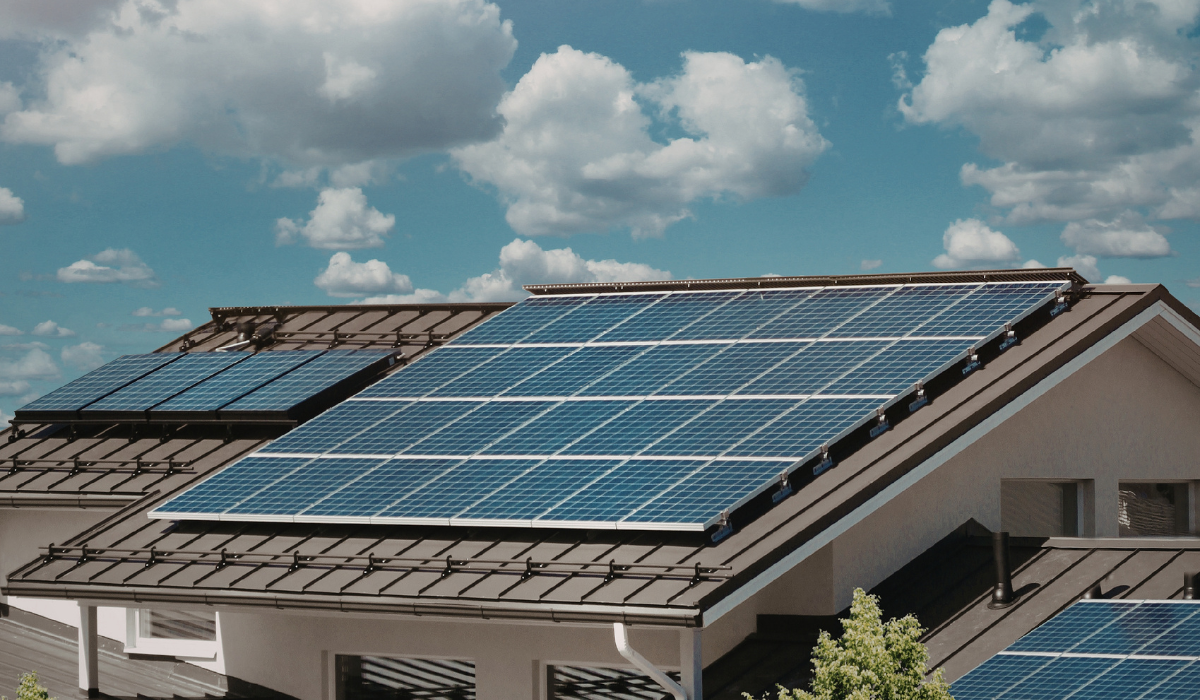
Like most things, you have a choice when it comes to solar panels. And like most things, cheaper is usually not better, especially for important long term investments like solar and batteries.
We’ve been at it for over a quarter century, covering a lot of ground with technologies as they’ve evolved in labs and out on roofs. We’ve seen lots of innovations that improve efficiency and reliability, and we’ve also seen our share of failures and flame outs (literally).
As a long term reliable partner for an entire rural community that is fast switching over to solar, we will not only have to deal with decades of service calls for ongoing equipment issues if we choose cheap equipment, but we also personally stand in line with our customers at the grocery store. We won’t last long if we cut corners and sell cheap systems to turn a fast buck.
For solar panels, we’ve learned a few things…
Just because a well known megacorporation is selling solar panels, doesn’t mean they won’t go out of business. Behemoths like GE, Panasonic, LG, Sharp, BP, Shell and many others have all dipped their toes in solar, with salespeople touting how huge and stable they were as a company, only to close down their solar manufacturing after realizing they can make more money selling their usual products. Manufacturers that only make solar panels and do nothing else are the ones in it for the long term, able to stand behind their 25-year warranties.
Warranties matter. Every home solar panel generally comes with a 25-year power output warranty, but not all warranties are the same. Some panels guarantee that after 25 years they’ll still be making 92% of what they were when you bought them. Some guarantee only 80% output after 25 years. I’ve heard slick lowball sales people saying their panels “have a 25-year warranty, too.” But they don’t say it’s actually a 25-year guarantee to make much less power.
There is also a solar panel workmanship warranty covering the simple construction of the unit, ensuring that the glass and frame and all components are sound and reliable and covered under warranty should a defect be found. Some panels only have a 5-10 year workmanship warranty. Some go out to 15 years or more. Some will cover the labor and shipping to remove and replace a defective or broken panel, but sadly, some don’t.
Efficiency matters. Cheaper panels are less efficient, and lower quality. What we could accomplish with a smaller array of high efficiency 460W panels would require more panels if they were 350W each. More panels not only means more roof space, but also more points of electrical connection and more roof penetration points, that could all result in more issues down the road. Higher efficiency means less components and a smaller footprint, which saves costs with a faster install, less equipment to maintain, and enhanced reliability, with more room to expand in the future.
For these reasons, we choose to work with long term stable solar panel manufacturers that offer the highest efficiencies and best warranties, guaranteeing a better return on investment and a happier experience for both customers and installers.
Right now, the leader for us on quality is REC Solar. They started out decades ago, only making the raw silicon for solar panel cells and selling it to all the panel factories around the globe, then over time evolving into making not only the entire solar panel, but one of the best solar panels designed.
For those looking for choices and price reductions without sacrificing quality and performance, we maintain a finger on the pulse of what’s available as the industry continues to change and shift, especially with tariffs and trade restrictions creating volatile markets for raw materials. There are top quality panels from overseas such as JA Solar, who can offer great panels at a reduced price. Some of our financing partners require made in America components that may limit the choices available.
Rest assured, when it comes time to buy or add panels to your home, you can trust we have your long term needs in mind and will have options for you to consider, based on decades of experience.

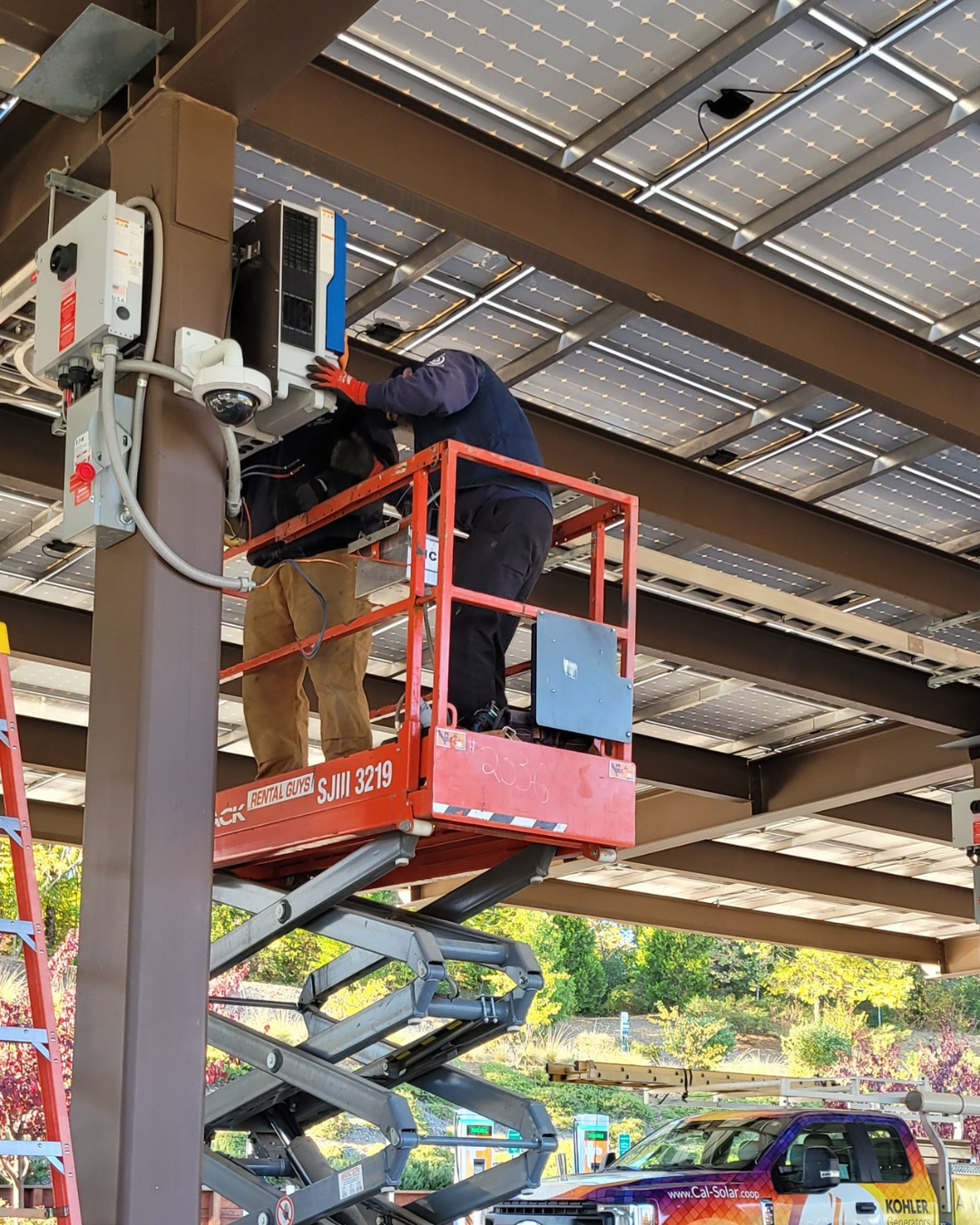
Similar to owning a vehicle, where you have a trusted mechanic who relies on you to keep an eye on your dials and dashboard and report back on your overall experience, solar also requires having an occasional eye on things to ensure even small items don’t go unnoticed and turn into bigger issues that could’ve been prevented.
For older systems, this may mean occasionally checking the display screen on an inverter, making notes of what it shows, how much power it’s making, and maybe keeping an annual track of output, perhaps even by month. There were often small LED lights indicating if there was something amiss. Green for normal operation. Yellow for an issue. Red for when the system is shut down.
Many early adopters have systems not connected to the internet, so a physical walk around once a season is advised. Look for any cracks in panels that may have happened due to falling branches, acorns, pine cones, or other rocks and debris. Take a look at the inverter. Walk the conduit path from panels to inverter to electrical panel. Find out if critters have made a home anywhere.
If you have a system connected to the internet, find a comfortable balance of time to spend reviewing what you get to see. We find that some people like to look often and analyze what’s happening and even make adjustments to their habits if it benefits the savings and experience. Others get excited at first and then lose interest.
We recommend avoiding an all or nothing approach. Don’t feel obligated to obsessively micromanage a home energy system, but also don’t ignore the whole thing either. Everyone is different and every situation is different, using different equipment under different circumstances, with different points of data and feedback to help guide their individual experience.
As we like to tell some new system owners, “Make Sun-day your solar day. Set an alarm for that day and make it a point to check out your charts and graphs once a week on your battery app.” Some of the most fun is inspecting your home power use habits as they change throughout the day and week, which is what the new battery apps unlock.
Whether you have an older elegant system that still reliably powers your home when the sun shines with minimal monitoring, or if you are brand new to solar and have more info than you know what to do with, making a regular check-in with your equipment and its state of being can save you time and money and actually be fun!
If you have any questions about what you’re seeing or experiencing, please give our Service Dept a call, or attend one of our monthly Sunlight to Socket system owners meetings, online or in-person.

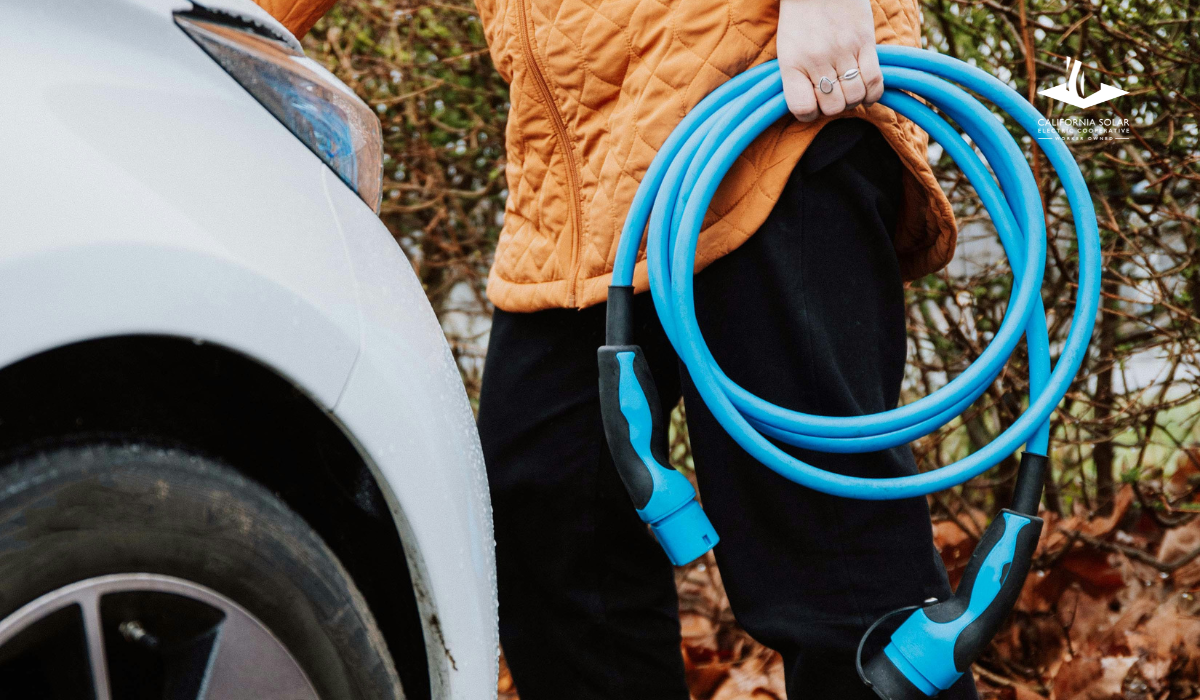
Currently there are still two extremely urgent, time-sensitive utility rebates worth highlighting for homeowners in PG&E territory. One rebate worth thousands of dollars is for buying a used Electric Vehicle (EV) and/or installing an EV fast charger at home. The other rebate is $7,500 for adding a battery to your home, with or without solar.
EV & CHARGER REBATES
PG&E offers either a $1,000 rebate or a $4,000 rebate for purchasing a used EV. If you qualify for the low income rebate, they will send you a $4,000 check after proof of purchase, while the standard rebate is $1,000. Please note: PG&E just announced the standard EV rebate will end at the end of this month! A complete application must be submitted by 9/30/26 to qualify for the standard rebate.
*** The state of California just announced a new separate EV rebate program of $3,500 for a new EV and $1,750 for a used one, taken off the price of the car at the dealer lot, for participating dealers only. ***
PG&E also offers a $1,000-$5,000 rebate for installing a fast charger at home. If you qualify for the low income program, they will cover up to $2,000 for the fast charger and you must use a local contractor on their approved list, but you don’t have to pay for the install at all. It’s 100% covered upfront, and if there are electrical service panel upgrades needed, they will cover up to a grand total of $5,000 for the charger and upgrades. The standard rebate is $1,000 and those homeowners are free to hire whoever they want, with the rebate coming as a check afterwards.
Note: We are experienced in installing fast chargers, should you be looking to add one to your home.
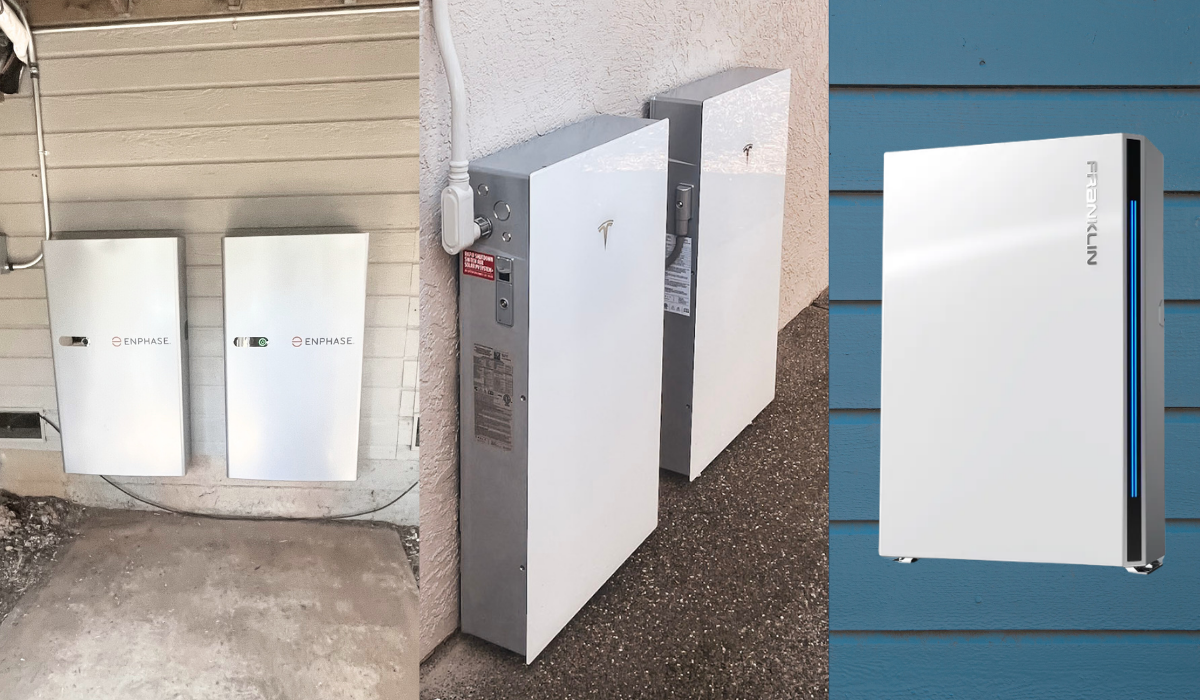
HOME BATTERY STORAGE REBATES
There is still the PG&E’s annual “Permanent Battery Storage Rebate” program that gives homeowners a $7,500 check for installing their first backup battery. There are only 600 rebates given out per year, and as of the middle of August there were 244 remaining, on pace to run out by early December, if not sooner.
*** IMPORTANT NOTE: Now that we are already booking installs in November, we cannot guarantee that a battery installation will be done before the 2026 rebates run out. All risk is assumed by the homeowner. New rebates are expected in 2027, however homes that qualified in 2026 may not qualify in 2027. ***
To qualify, your address must have had at least 5 or more of a very specific type of power outage in the past two years. These are short outages where there is no clear cause, so PG&E assesses it as being due to their extra sensitive power line settings that are now in place to prevent fires.
You can enter any address using the button below to see if you qualify.
Note: This incentive applies only to the first battery installed at a home. For customers with qualifying medical needs or those who meet low-income eligibility requirements, PG&E offers additional programs that may cover the cost of the first battery entirely, with no time sensitive deadline. Learn more by clicking the button below.

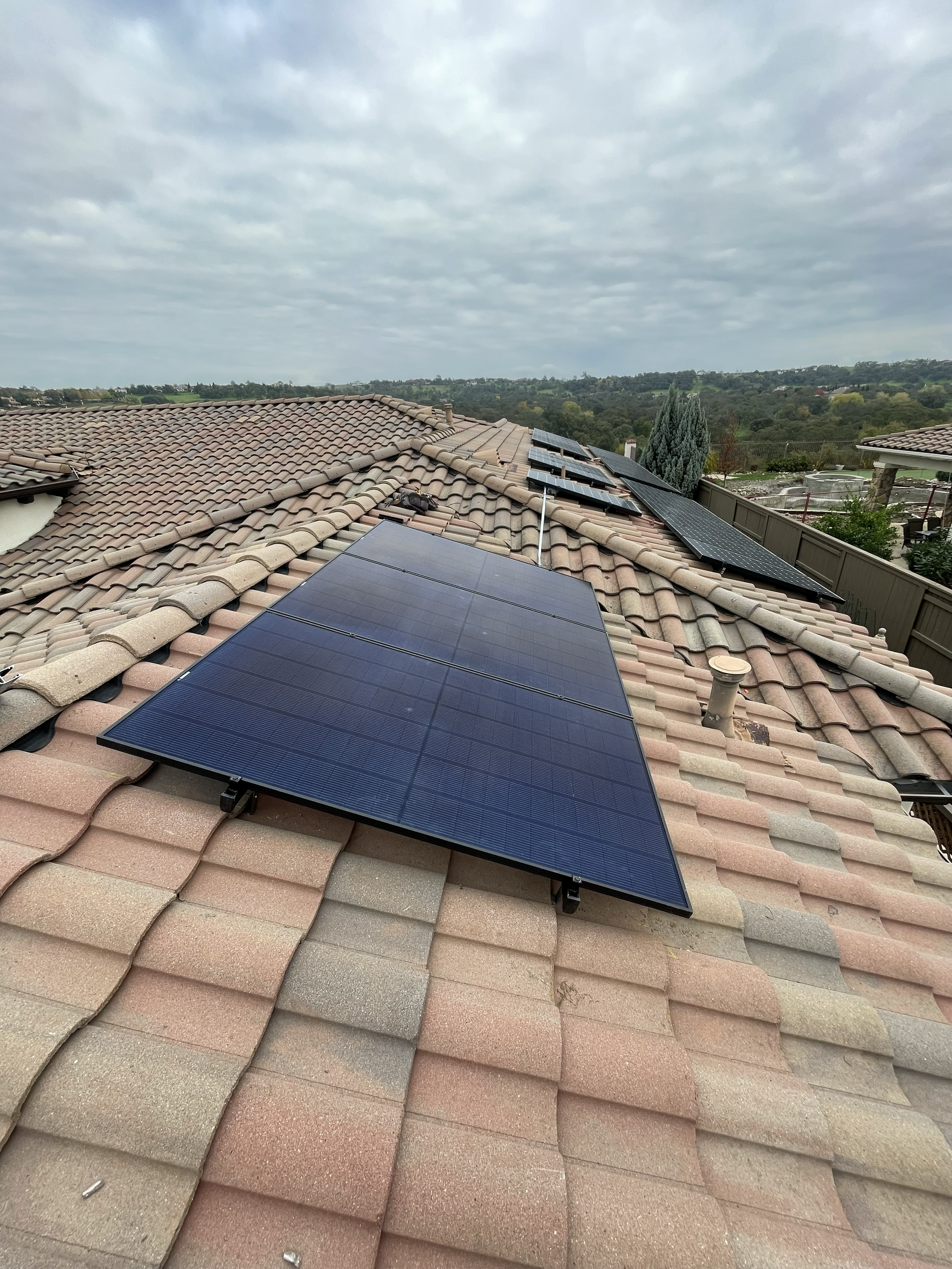
This month we’re highlighting one of our incredibly cool “early adopters” of solar, Diana, who lives in the beautiful local sun belt of Lincoln, and has made it clear that she needs major investments like solar and batteries to pencil economically before moving forward.
Diana was originally inspired to add solar in the fall of 2014, after we installed a system for a neighbor on her street that spring. (That neighbor also recommended us to another nearby home, and ended up receiving two referral reward “thank you” checks for both neighboring systems that we installed based on their referring them to us…hint hint nudge nudge.)
By installing before 2017, that means they are on what’s called California’s statewide “NEM1” rules for grid-connected solar, which they will remain on for the full 20 years of their PG&E interconnection agreement, regardless of any rule changes that take place during that time. (See more details on what happens after 20 years in the Ask Cal-Solar section of this newsletter.)
That also means they didn’t need to add batteries to make the economics pencil. Spin the meter backwards during the day and receive credits based on the highest possible value: whatever PG&E’s daytime peak rates were at the time. As their rates rose, so did your payback. Buy your evening power back at off-peak rates.
Solar payback was so good under NEM1 rules that the pace of installations statewide became massive. In the span of a few short years, residential solar was actually responsible for shifting the peak utility power demand time from what used to be midday 12-6pm, to what we now know as peak utility demand during sunset from 4-9pm, when all our solar systems shut off statewide, right as all our lights get turned on and evening use spikes.
When this shift of utility peak hours suddenly happened ten years ago in 2016, NEM1 solar homes saw their bills jump overnight. This was because they were no longer spinning their PG&E meter backwards during the day and earning peak value, then coming home at night to buy it back at cheap off peak rates.
Instead, they began getting excess daytime solar credited at off-peak rates, then coming home to buy it back at peak rates. Diana was one of many early adopters that found themselves adding a few more panels to their system to offset the loss in trading value and keep bills low.
She decided to use the ending of the 30% federal tax credit last year to make her move and added three REC 405W solar panels to her existing array of 27 SunPower 245W panels. That’s right…between the time she installed solar in 2014 and then added to it in 2025…the wattage rating had jumped from 245W to 405W (note: we are currently installing 460W panels).
But it gets even better.
When the new PG&E battery rebate program opened up, her address qualified based on the number of outages she had, and in early 2026 she expanded her system again, adding a new Tesla Powerwall 3 and getting a $7,500 check in the mail from PG&E to help pay for it.
She was so amazed and thrilled to get such a big check from PG&E that she says, “I’m thinking of framing it, actually. I almost can’t believe it’s real.” It also means her neighbors likely qualify for the $7500 battery rebate, too.
As a Powerwall owner, she also participates in Tesla’s Virtual Power Plant (VPP) program, which allows her to sell some of her late afternoon battery power to PG&E in the summer for $2/kWh during heat waves. Some Powerwall owners make $300-$400/year from VPP income.
Now most days she is busy running her home with solar while filling up her batteries as well, so that by the time the sun sets in Lincoln, she is running off of stored sunshine in her Powerwall throughout the evening peak hours, instead of paying high prices for PG&E power.
Plus she has clean, quiet uninterrupted back up power and will greatly reduce her generator run time, saving hundreds of dollars a year more there…on top of her evening peak power use savings…on top of her annual VPP income. We estimate her battery will pay for itself within 7 years, which is when she would need to add a battery anyway, once her 20-year interconnection agreement ends and the home gets moved to the new NEM3 rules.
From 2014 to 2025, and now 2026, Diana has been regularly adding and updating her system so that she has maximum energy independence and savings, all thanks to rebates, tax credits, and a keen eye for good returns on investment. And she says she's now addicted to her whole home system battery app, which makes us laugh.
Kudos to Diana, and all the early adopters out there!


This month, we’re excited to introduce you to one of the pillars of our install team, Oliver Bach, who has an important role on our staff as a Lead Battery and Solar Electrician. Oliver is yet another local who was born and raised here in Nevada County, out on the San Juan Ridge in an off-grid home. His story begins in high school, ten years ago, when Bitney Prep High School offered him the ability to intern at select local businesses.
At first hoping to find a blacksmithing internship, which wasn’t available, Oliver noticed that one of his off-grid neighbors, Lars Ortegren and founder of the co-op, had a solar company with an internship opportunity. So he decided to sign up and began his career as an unpaid high school intern in 2017, working one day a week outside of school, installing solar in the community.
His sharp mind, good hands, and strong work ethic led him to be hired on as an actual part time employee after school got out for the summer, working three days a week and getting paid for it. Then when school started up again that fall, he returned as a paid high school intern, back to being on roofs one day a week while his peers were in class.
Upon graduating in 2018, it was clear that we all enjoyed having Oliver on board and so after a two month post-graduation break, we offered him full time work here at Cal-Solar as an installer, where he’s been ever since, steadily growing his skills, experience and responsibility.
Originally focusing his time on solar installs, as batteries have become a solution to more and more home energy needs - with or without solar - and alongside statewide battery incentives and utility rebates that boosted the install rate, Oliver has turned into one of our most experienced battery installation specialists, with almost 300 home battery installs under his belt over just the last 5 years.
When it comes to things he enjoys most about his work, he mentioned the beauty of the community and all of the back roads, cool neighborhoods, and fantastic views that he gets to see each and every week working outside. Plus, solving puzzles with his brain and hands makes for fun work, as well as being on the cusp of cutting edge technology and the interesting ways he gets to help homeowners participate in a societywide energy transition.
As far as working at the co-op, Oliver talks about the benefits of our unique work culture and feels surrounded by good teammates, and appreciates the ability to work four 10-hour days, leaving himself with a three-day weekend every week (note: most of our staff choose to work four 10’s from Monday to Thursday).
Outside of work is pretty much chill down time, relaxing and spending time at home, decompressing from a busy week and preparing for the next, and when asked what the future might hold and what job he would want if he could waive a magic wand, the answer was clear. “Industrial electrical work.”
We agreed that’s cool stuff! And there will always be a huge need for that type of expertise, especially as our energy transition continues forward. May our solar installation work today be able to best prepare Oliver for achieving his goals for the future.
We’re thrilled to have such a high caliber person on our team and know that the future is in good hands with him around, ready to keep our modern electrical needs running smoothly for homes, businesses, and hopefully major industries.
Here’s to Oliver! Our high school intern transformed into an electrical expert!


A question that is becoming common is that of the early adopter crowd: so what happens after my 20-year interconnection ends with PG&E?
It was 2005-2006 when the pace of solar adoption rapidly took off in our area, so we expect a wave of more and more people every year to be timed out of their original PG&E agreement, looking for guidance.
Back then, the solar rules were called NEM1, for net energy metering, version one. NEM2 took effect at the end of 2016, and NEM3 took effect in April 2023. The changes to each version included making adjustments to the value of your solar credits when your meter spins backwards, and each homeowner gets to stay on their original rules for 20 years, regardless of any future NEM changes.
One exception was if you expanded an existing system by more than 10% (or 1000W, whichever was greater). That would bump you off your original rules and put you onto whatever NEM version was in place at the time. Many early adopters choose to only add 1000W or less to their existing systems. Or some add more than 1000W, but attach the larger expansion to batteries with controls that can make it so the new solar only feeds the home and doesn’t ever feed the grid.
Regardless of whether or not an existing system was expanded, at some point the 20-year agreement ends, and that agreement starts with the original installation date, no matter how many times the home may have been sold. At some point, with older systems without batteries, your economics will shift when the original agreement ends.
For people on NEM1 and NEM2, who got their interconnection paperwork into PG&E before the April 2023 cutoff, this means you will see a major drop in value of your daytime solar credits. Instead of getting full retail value, which can run from 30-50c/kWh or more depending on your rate plan, your solar credits under NEM3 will drop to wholesale power prices, sometimes as low as 1-2 c/kWh, with changing values for every hour of the day.
This is why new systems come with batteries: you don’t want to spin your meter backwards, you want to keep all your extra daytime solar on-site, stored for use throughout the sunset and late evening expensive peak hours, and beyond.
So for early adopters that means getting batteries before your 20 years is up. Without batteries, we expect True-up bills to jump, since daytime solar credits will no longer be accruing at a high value to offset your more expensive evening use.
PG&E seems to only give a 30 day notice to homes about to reach the end of their 20 years, leaving little time to assess what that means and what to do to avoid the larger utility bills that will follow. Check in with us if you installed a system in 2010 or earlier, as this may be the time to prepare. Please also call the PG&E Solar Hotline by clicking the button below if you have questions about when your 20-yr agreement end date is, and what will happen after that.

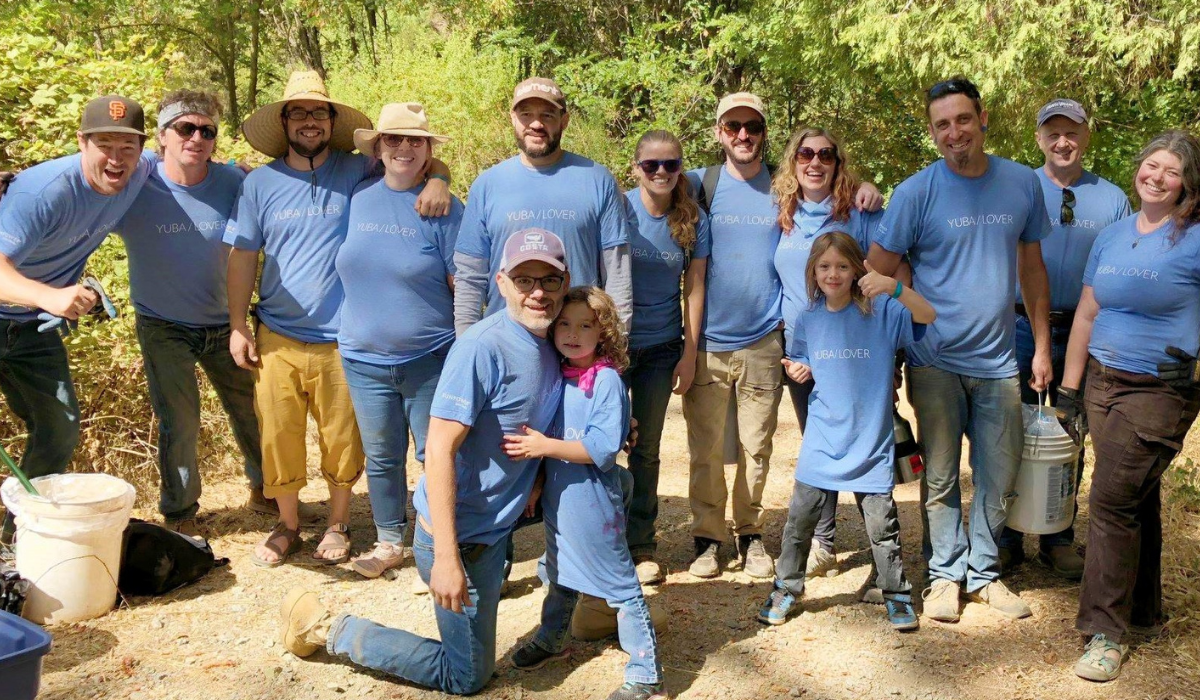
The month of September is another opportunity for the staff at Cal Solar to participate in the annual river clean up days, which we have been doing every year for over a decade. These are events put on by the South Yuba River Citizens League (SYRCL), and they invite individuals, family, groups, and organizations to help keep our waterways clean and free of debris.
You can catch the California Solar Electric Co-op crew on Saturday September 19th upstream at a beautiful spot called Emerald Pools. Just off Highway 20 on Bowman Road near Lake Spaulding, we have volunteered at this spot before, picking up trash, plastic, and whatever items may have accumulated since our last visit.
Crew members who help clean get special t-shirts to commemorate the occasion. If you see a Ca Solar employee wearing a River Cleaner shirt, be sure to say hello and thanks for keeping our rivers clean and the environment a better place! Click below for more info!

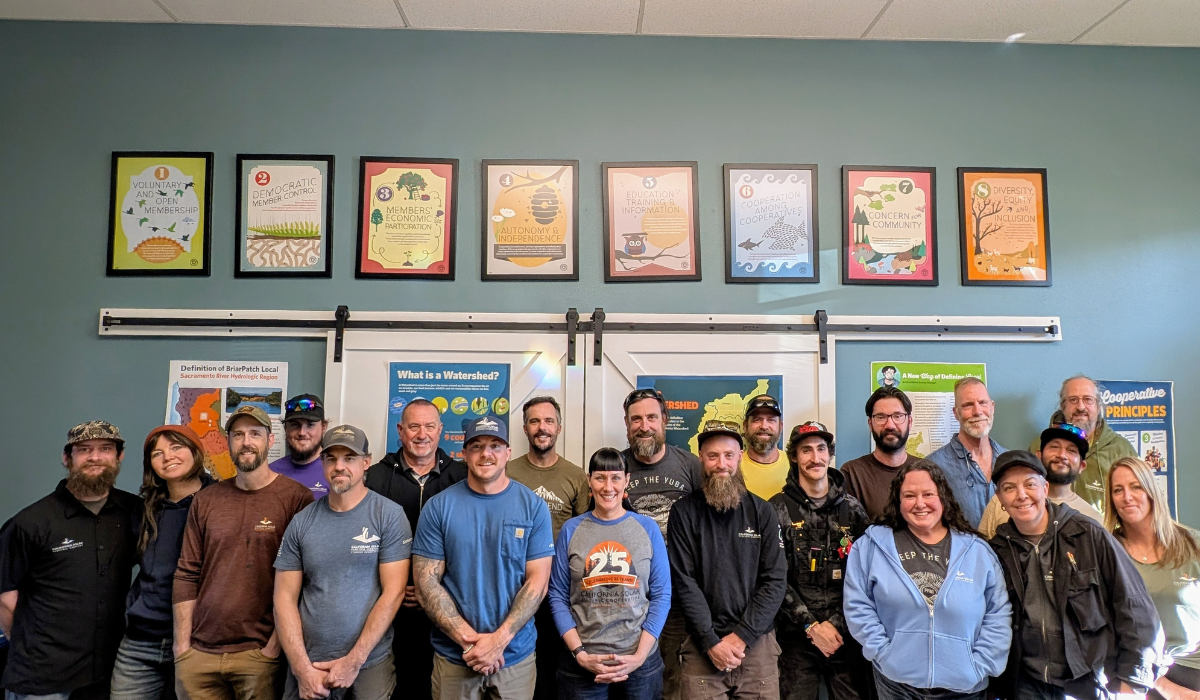
Join Us Around Town! Solar Support, Community Events, and More
We love connecting with our community, sharing knowledge, and helping our neighbors get the most out of their energy systems. Here are a few ways to connect with us this month!
Sunlight to Socket System Owner Salon
Our monthly Sunlight to Socket system owner get-togethers are held on the last Saturday of every month from 10 a.m. to 1 p.m. at our downtown Grass Valley location. Our next gathering is Saturday, September 26th, at 149 East Main Street.
Whether you have a solar or battery system installed by us or are simply curious about clean energy, we welcome you to stop by. These casual, walk-in sessions are a great opportunity to ask questions, share experiences, and connect with fellow homeowners as we work together toward greater energy independence.
Sunlight to Socket System Owner Salon - virtual too!
Our monthly Sunlight to Socket system owner get-togethers are now held once a month online as well! Held on the last Wednesday of every month from 7 p.m. to 8 p.m., this is for those who may just want to tune in and see what questions other people have. Sit in your pajamas with the camera off and on mute. We don't care. We just want to help answer your questions and make life better. The next one is Wednesday Sept 30th at 7pm. Please RSVP using the button below. You can also find the meeting link below.
Come Say Hello at SYRCL's Annual River Clean Up Day!
If you’re heading up Highway 20 east of Nevada City for a get away to nature on Saturday September 19th, be sure to stop by and say hello if you're in the area of Emerald Pools! This year’s fair runs August 12–16, Wednesday through Sunday, and our solar booth will be open until 8 p.m. every night.
Nevada City Zero Waste Day & Repair Café
Held at the Alpha Building in downtown Nevada City on Broad Street across from the National Hotel, this special event is on Saturday September 12th, from 8 a.m. to 8:30 p.m.
From 8am to 1pm will be an art show and coffee, with a clothing and plant swap going from 8 a.m. to 4 p.m.
The next Repair Café will be at the event, from 2-4 p.m., followed by keynote speakers from 5-8 p.m.. This unique event is about repairing and strengthening our community.
We hope to see you at one of these local events. Stop by, say hello, and join us in celebrating clean energy and community connections!