

We're in the home stretch of summer, which means your solar panels should be producing more energy now than at almost any other time of the year. As the season begins to wind down, you'll notice your system's daily energy production gradually starting to decrease. This is a normal seasonal change as we head into autumn, when daylight hours become shorter and the sun sits lower in the sky, resulting in less solar energy reaching your panels.
For now, batteries tend to get full earlier in the day, utility meters spin backwards more, and solar panels are mostly cloud free, so you’re either banking a lot of credits with the utility or filling up your batteries to cruise through the night.
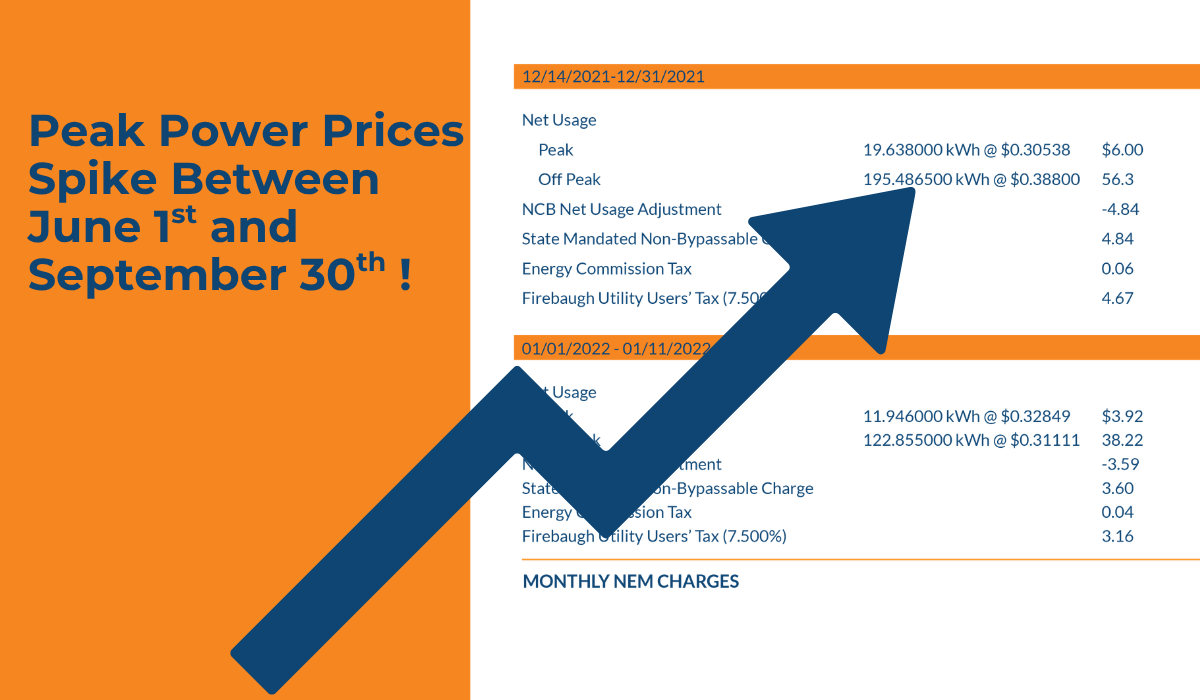
If you are a PG&E customer, keep in mind that their summer rates are still in effect, which means not only are rates higher than the rest of the year, but the difference between peak rates and off peak rates can be staggering.
For example, for most of the year the price difference between PG&E’s peak and off peak residential power use is around 3 cents/kWh. However, during PG&E’s four “summer” months, peak power rates skyrocket up to 22 cents/kWh higher than off peak rates.
For most PG&E homes, peak hours are from 4-9 pm every day of the year, but that’s not always the case.
Call the PG&E Solar Hotline at (877) 743-4112 and ask what rate plan you’re on, as peak hours can differ based on rate plan, and some early adopter solar homes are still on rate plans that don’t even have peak hours.
Pro Tip: Try to minimize power use during summer peak hours for maximum bill savings, and consider adding batteries that can help avoid evening power use altogether, as they run your home at night and get recharged from solar during the day.

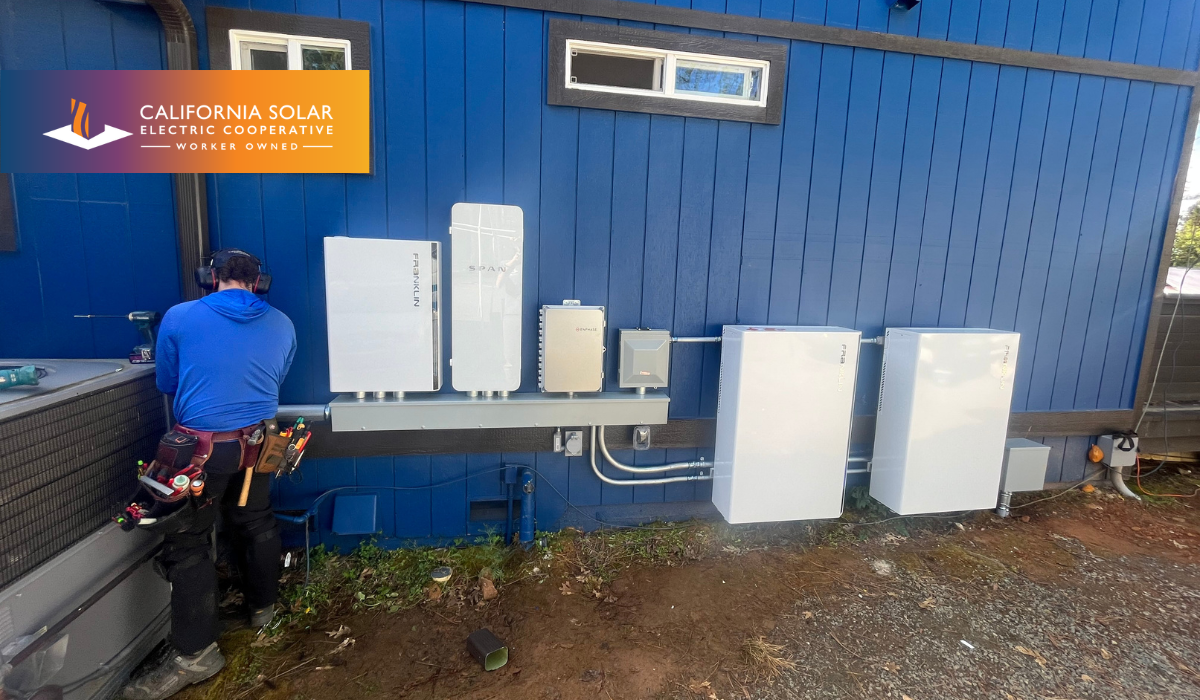
A backup battery is one of the smartest investments you can make in your home's energy future. Whether or not you have solar, back up batteries have multiple benefits and can pay for themselves within a few years. Let's check out the benefits:
Keeping your home powered during an outage: Depending on how much power you use, how many batteries you have, and whether or not you have solar, they could keep your home powered for days on end. This helps save groceries and other perishables and can reduce or eliminate the need to run a generator, which can be expensive to fuel.
Reducing expensive evening utility costs: Home batteries can help you avoid paying expensive evening peak utility prices if you are on a Time-of-Use rate plan like most PG&E residential customers. Even homes without solar can save hundreds of dollars a year by using battery power during peak hours and refilling them later that night with cheaper off-peak power.
Earning money through Virtual Power Plants: There is also the ability to make money by sharing some of your battery power for an hour or two during heat wave events. This is called being part of a Virtual Power Plant, and it not only helps the grid and the environment by avoiding the use of expensive and polluting “peaker” power plants, but it can also earn you hundreds of dollars per year on top of your utility bill savings.
Protecting your long-term solar savings: For those of you early adopters who are still on NEM1 or NEM2 and are coming up against the end of your 20-year interconnection agreements with PG&E, batteries can help you avoid the surprise of suddenly being moved onto NEM 3 rules and having your True-up bills go through the roof.

Keep Your Solar Panels Producing Their Best
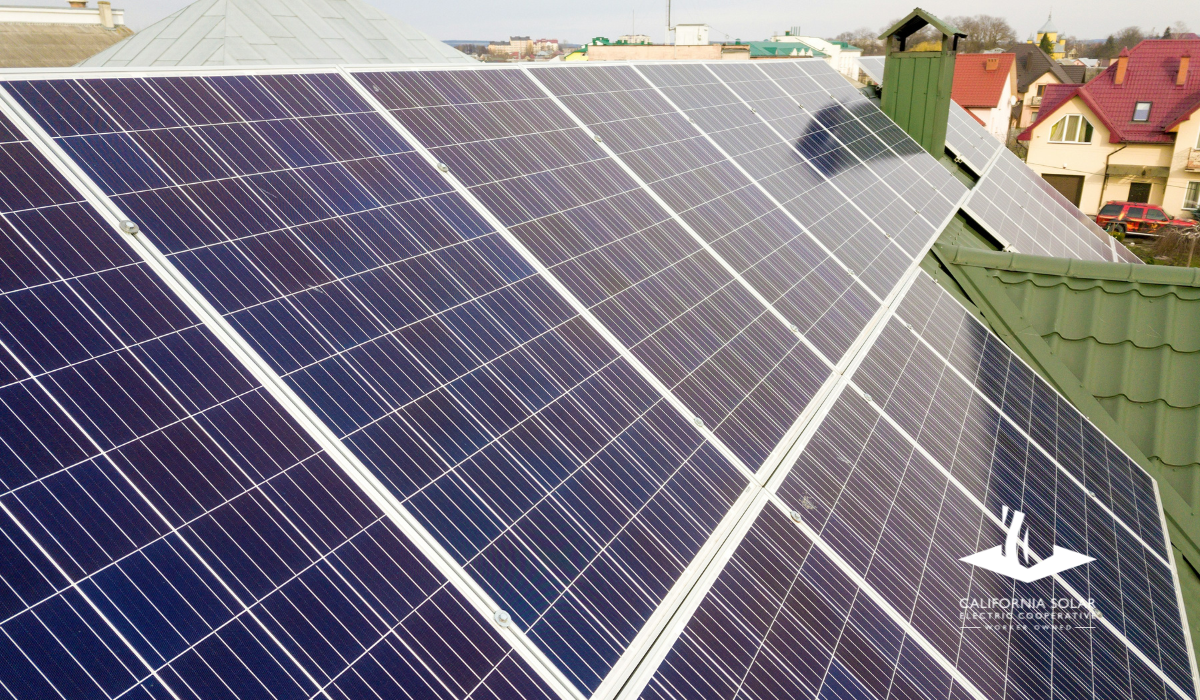
With the dry summer months here, now is a good time to take a look at your solar panels and see how much dust, dirt, pollen, or debris may have built up. Homes near rural dirt roads, farms, busy streets, or areas with lots of trees may collect more buildup, and birds or other wildlife can also leave their mark.
While modern solar panels are designed to improve energy production, their textured glass can also hold onto dirt over time. Solar panel soiling may seem minor, but it can add up and reduce annual production by an average of 5–7% in some cases. A cleaning once or twice a year can help maximize your system’s performance and savings.
Because cleaning panels involves ladders, roofs, water, and electricity, we recommend working with a qualified and insured solar panel cleaning company rather than attempting it yourself. Keeping your panels clean helps your system perform better while also supporting local businesses and keeping more clean energy flowing in our community.

Currently there are two time sensitive utility rebates worth highlighting for homeowners in PG&E territory. One is for buying an Electric Vehicle (EV), and one is for adding batteries to your home.
Customer who use EVs:
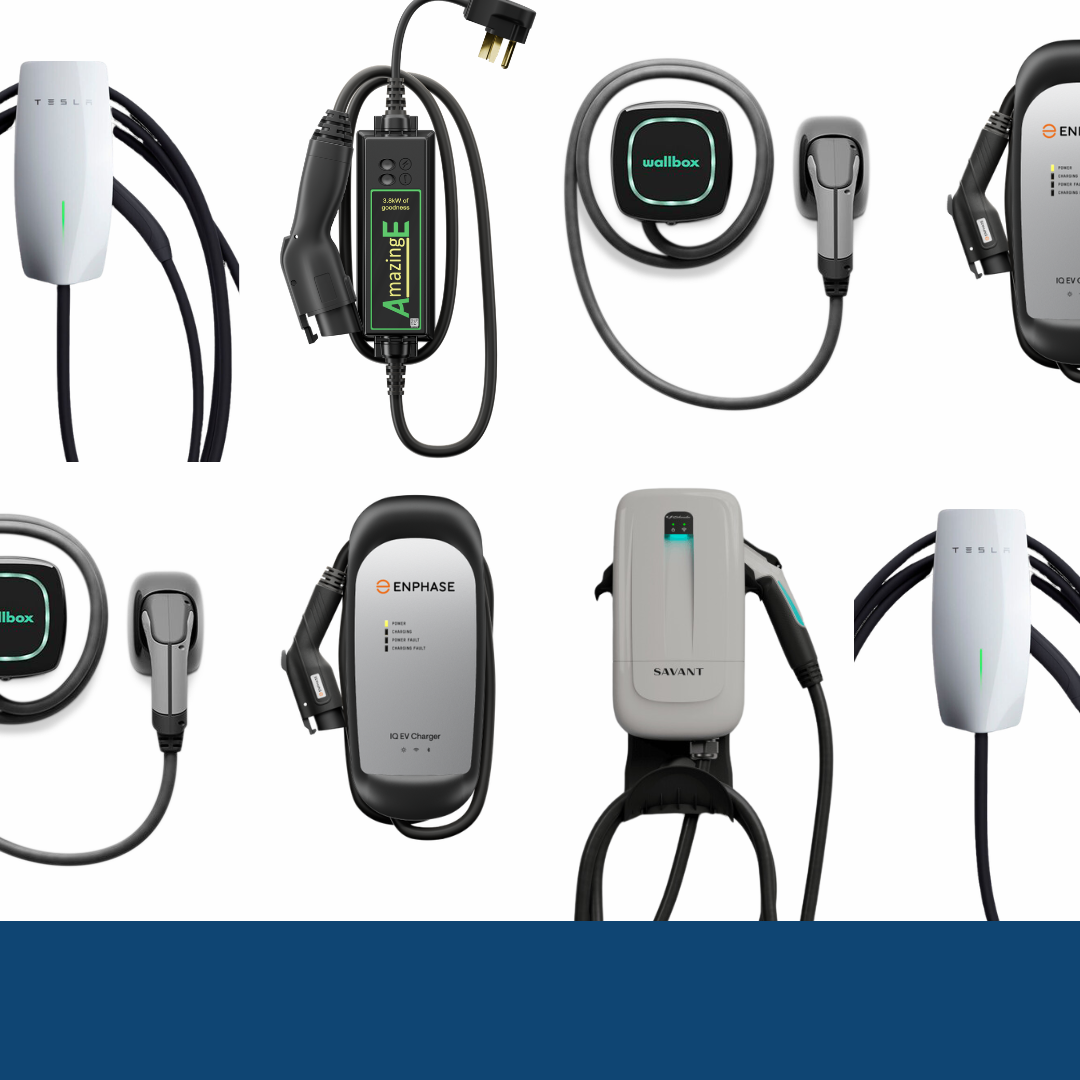
Offered by PG&E, this rebate typically saves drivers even more money versus buying a new EV, due to the heavy discounts for late-model used EVs that have been used lightly. Car dealers have lots of used EVs that were once short term leases.
If you qualify for the low income “used EV” rebate, they will send you a $4,000 check, while the standard rebate is $1,000. Please note: PG&E just announced the standard EV rebate will end at the end of next month! A complete application must be submitted by 9/30/26 to qualify for the standard rebate.
Adding an EV with “bidirectional” charging features means it can also power your home or appliances during an outage, and is a smart move many people are making, as it can add to your backup power capacity in the depths of winter when the sun isn’t shining. An EV battery is also a good place to store extra daytime solar power, instead of sending it to the grid for small credits.
Note: We are experienced in installing fast chargers, should you be looking to add one to your home. There are available PG&E rebates that may help you cover the cost.
Battery Storage Rebate
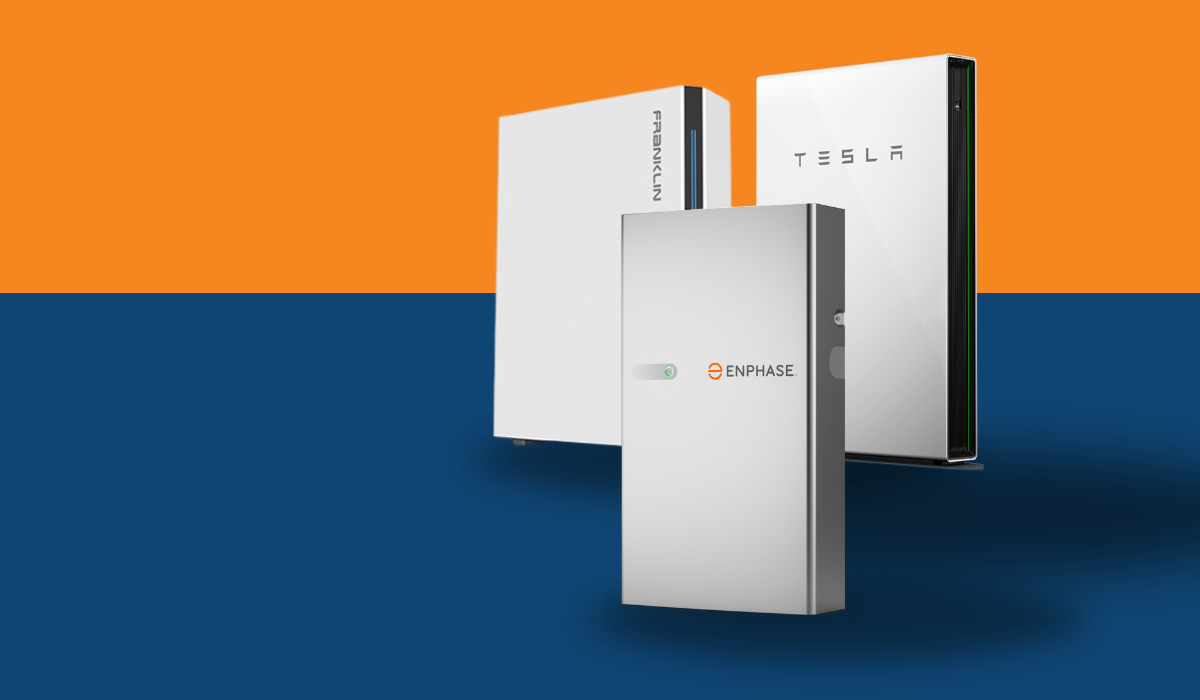
Then there is PG&E’s annual Permanent Battery Storage Rebate program that gives homeowners a $7,500 check for installing their first backup battery. There are only 600 rebates given out per year, and as of the middle of July there were 301 remaining, on pace to run out just before year’s end.
To qualify, your address must have had at least 5 or more of a very specific type of power outage in the past two years. These are short outages where there is no clear cause, so PG&E assesses it as being due to their extra sensitive power line settings that are now in place to prevent fires. Learn more About how to apply here: https://www.pge.com/en/save-energy-and-money/rebates-and-incentives/permanent-battery-storage-rebate.html
Note: This incentive applies only to the first battery installed at a home. For customers with qualifying medical needs or those who meet low-income eligibility requirements, PG&E offers additional programs that may cover the cost of the first battery entirely. For more info click below:

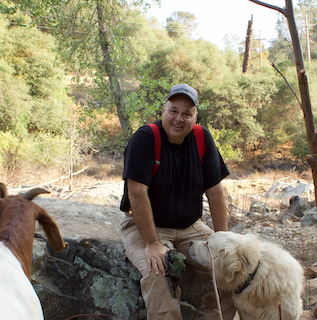
After personally researching the benefits of solar, batteries and EVs, Carl McCosker has all of the things in place for a personal oasis in the midst of fire country, and for all of us at the co-op, we couldn’t be happier to be chosen as his preferred partner in making his vision a reality.
A Nevada County native, Carl grew up in the area, graduated from Nevada Union High School, and participated in the Future Farmers of America (FFA), before leaving town to pursue a career in law enforcement in Marin County.
After retiring from the Bay area beat, Carl decided to settle down in the appropriately-named small town of Rough & Ready, where five acres of longtime family property on Squirrel Creek was waiting for him, located just outside the bustling metropolis known as Grass Valley, CA.
He says, “I’m a local boy who, like a salmon, left and have returned to live out my golden years.”
And it is here that the Brush Bust’n’ Boers team took shape.
Still focused on community-level work and public safety with a human touch, Carl now manages herds of goats and sheep for brush clearing, fire safety, and local youth programs such as 4H, the FFA and county fair exhibitors. It’s not just a flock of sheep or a herd of goats, it’s a “flerd” as he likes to call them, and you can meet them along with his guarding/herding/working dogs at www.brushbustnboers.com.
After first contacting us in 2019, it was a few years before the entire plan for energy independence and utility bill savings was given the green light and we rushed to get his system installed before the end of the federal tax credit last year. (Note: We have third party partners who can help homeowners still capture part of the expired tax credit for 2026, using unique financing paths. Call for details.)
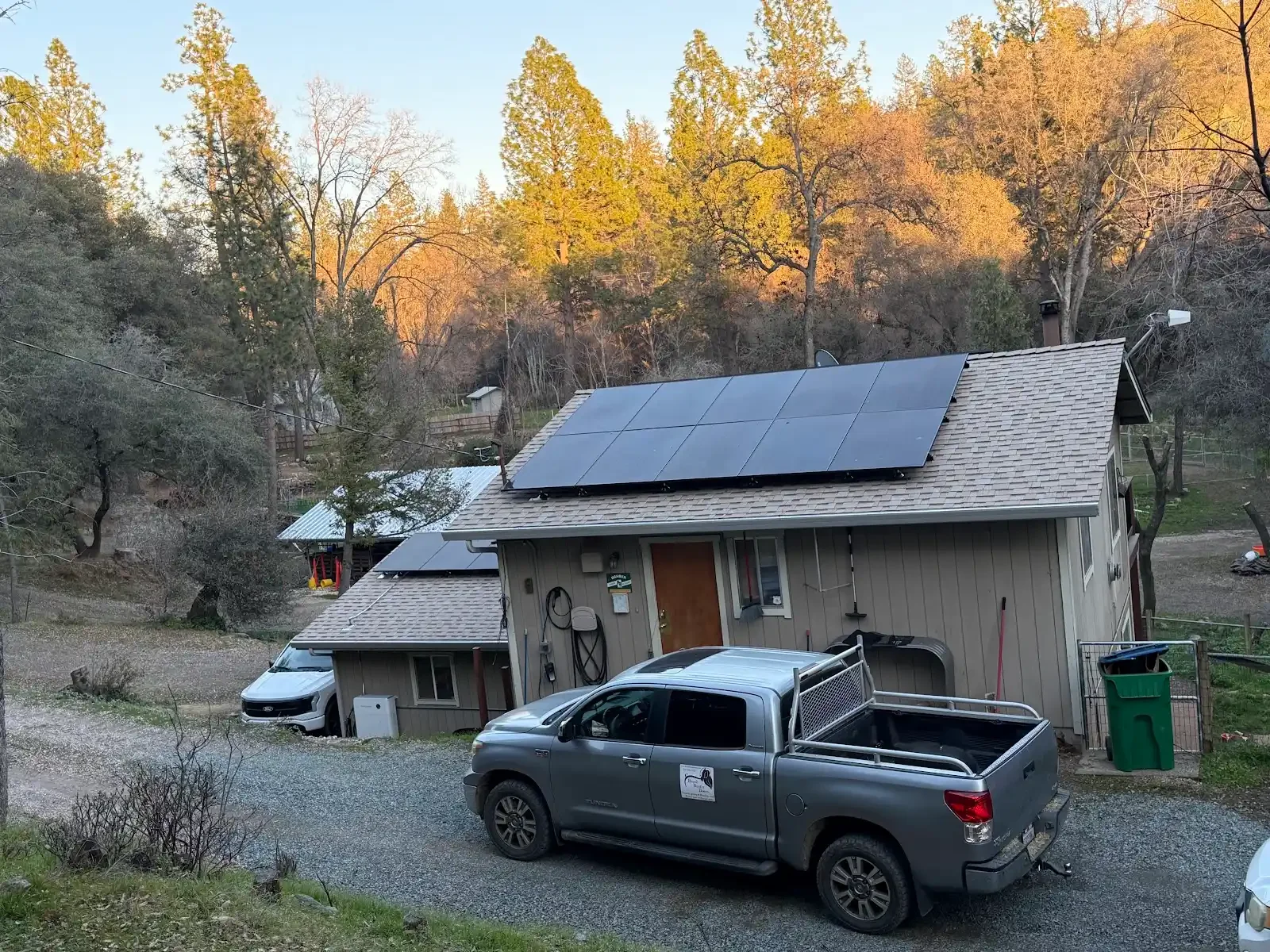
The day after Christmas, right at the tail end of 2025, Carl received permission to operate (PTO) from PG&E and his new world opened up, with 24 solar panels and two batteries now powering his home, his property, the flerd, and all his canine companions. Plus, he drives an electric Ford F-150 that has enough batteries to power the home for several days, and a bi-directional charger so the truck provides additional backup power in a pinch.
With over 10,000W of brand new solar panels on his roof, plus 16kWh of home battery storage, and an additional 100+ kWh of batteries in the EV pickup, Carl’s property is an oasis of energy, transportation, safety, and freedom. His home, business, and lifestyle have been decoupled from the volatile and escalating prices of utility power and gasoline, and the regular outages that occur in our area.
He can maintain access to power and water regardless of what’s happening in the outside world, able to feed himself, feed others, and take care of his farm animals, while also helping area properties be more firesafe. His ingenuity and early adopter mindset even inspired our in-house Energy Advisor to purchase his own used EV F-150, which is now inspiring others to do the same.
Carl adds, "Not only has the system provided tax benefits and eliminated annoying power outages (which are constant in my area), but the system is producing enough solar power to fill my Ford F-150 Lightning EV farm truck every day. This season I have been running on pure, clean sunshine!"
We are so grateful people like Carl McCosker and others like him are in our community, leading the way and setting an example for resilience, independence and community-level cooperation and support, using sunlight and nature to keep our ecology in balance. Thanks for being our customer, Carl! You inspire all of us!

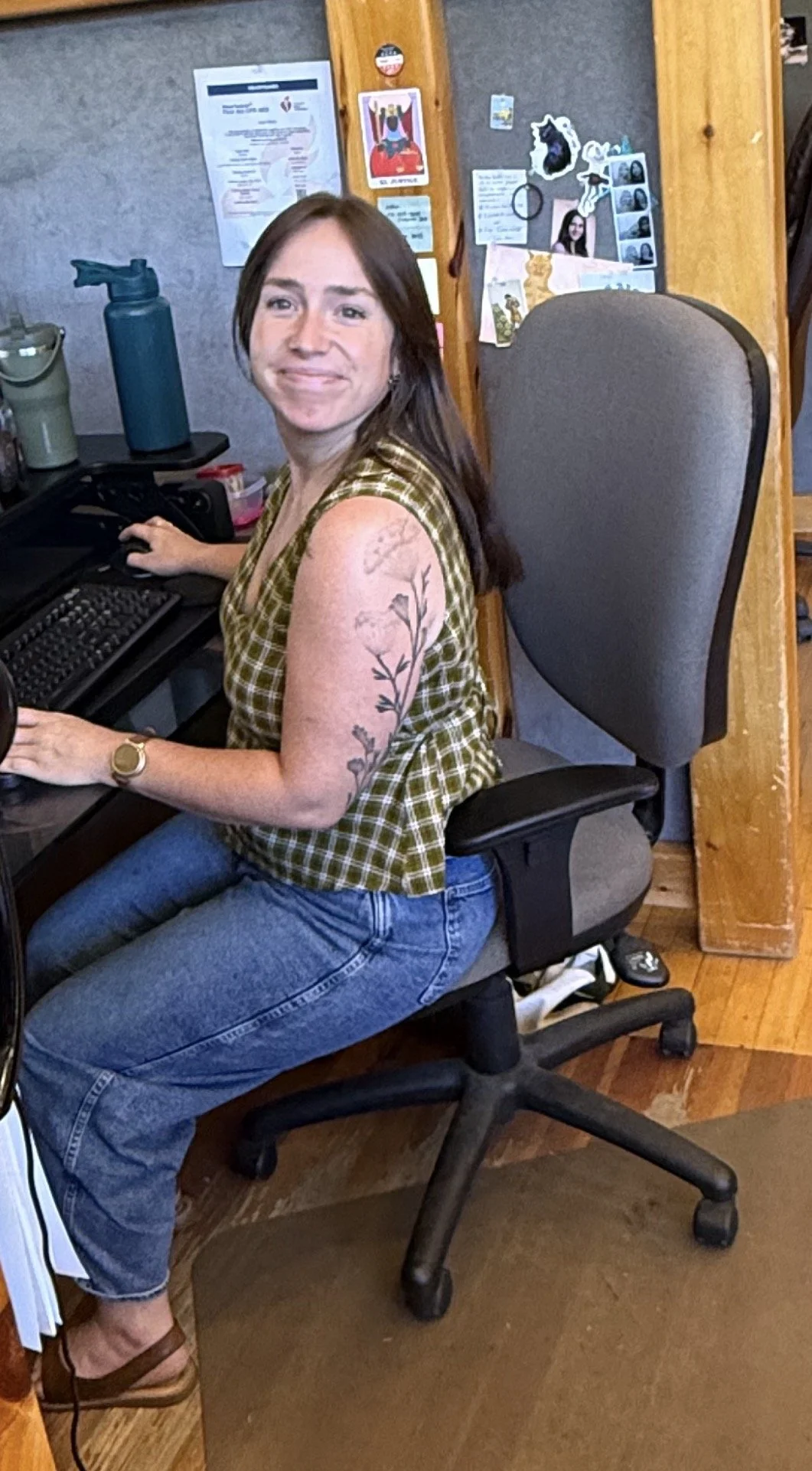
Joslyn Fillman
Service Coordinator
We’re shining a solar spotlight on our amazing team member Joslyn Fillman. Born and raised here in Grass Valley, after graduating high school Joslyn spent a few years in the Bay area going to college and being a nanny, and then returned to her hometown ten years ago.
Before joining the California Solar Electric Co-op in 2022, she spent many years at the well loved local newspaper The Union, starting out as an assistant copy editor and working her way up to being the Features Editor. One of the fun parts of working in a tight community is seeing some of the same names and faces come across her desk in her solar work.
As the Service Coordinator, Joslyn says her role is simply put: “I answer the phone when you need help!” She works from the office Monday through Thursday, coordinating our three-person service technician crew who stay out in the field. She describes her position as “advocating for customers to get a problem solved, whether it’s with colleagues or utility companies or manufacturers.”
When asked what she enjoys about her work, she quickly replied “I love solving problems” and added that she enjoys meeting all the interesting people with solar, and recognizing folks that she knew from her newspaper days. To make it even better, she said the Service Department has a special “small team” culture that keeps things fun and she really enjoys working with each of her teammates.
When it comes to what is special about the work we do, she says an ongoing concern for the environment and the impacts our choices have on the future give her hope that our accomplishments matter. Joslyn beamed when talking about the idea of keeping older systems still operating and reducing waste by not simply taking old panels down if they’re still working.
The unique vibe of working at a co-op also brings a smile to her face, as she described having fun at a recent company game night, hanging out with co-workers, and the benefits of having a direct line to anyone for support, where everyone is on the same team.


A common question is “How do I know if my system is operating correctly?”
This will depend on a few factors: how old the system is, what type of monitoring you have access to, who owns the system, and who installed it.
For the oldest solar systems, there wasn’t an internet dashboard to track solar production per day or over time. There was just a display on the inverter, showing various data points such as power output at that moment, plus energy output for the day, and total lifetime output.
As systems modernized and the internet took over, every system began to have a webpage dedicated to showing the output and monitoring the system. Sometimes homeowners had access to these dashboards, sometimes it was just the installer.
Once third party ownership programs took hold, think solar leases and power purchase agreements (PPAs), there began to be guarantees of annual output and ways to contact the system owner for proof of production.
If the system has available documentation from the original installation, then the original sales proposal can be compared to the data being recorded, as most solar quotes showed what the estimated solar output should be per year, if not by month.
Keep in mind that solar estimates are based on average weather conditions, and some years are above average and some are below average. Some months might be below average due to unusual storm activity, even though the entire year may still be an average year.
If sales proposals and output estimates are not available, then we can use the site conditions and equipment specs to estimate the expected output, with some minor losses expected due to long term degradation if the system is 15-20 years old or more.
If you suspect a system is underperforming, we have a dedicated Service Department ready to analyze your situation and provide you with an accurate assessment, and we also have special monitoring packages with annual checkups.


We’d like to highlight the local nonprofit Sierra Energy Reimagined (SERi).
Originally starting out over 20 years ago as the Clean Power Co-op of Nevada County, using seed money donated by Hollywood celebrity and environmental activist Ed Begley Jr., this local powerhouse of positive activity has rebranded and renamed themselves to focus on the entire Sierra Nevada region.
Whether it’s partnering with state agencies on energy related workshops for rural residents, or providing free home audits to improve energy efficiency, the folks at SERi are making it easy for area property owners to tap into ways to save energy, save money, reduce pollution, and support the local economy.
For 2026, they are rolling out a new Home Energywise program, similar to the successful Firewise Community program, where neighbors and community members link up to share and support each other towards reaching attainable goals together. They just hosted a Home Energywise workshop in July with more to come.
They also offer free home energy kits that can help you figure out on your own what can be changed and modified to make the most impact on your energy use. For more information or to schedule an appointment with an Energy Coach contact SERi at their website.
Thank you SERi!

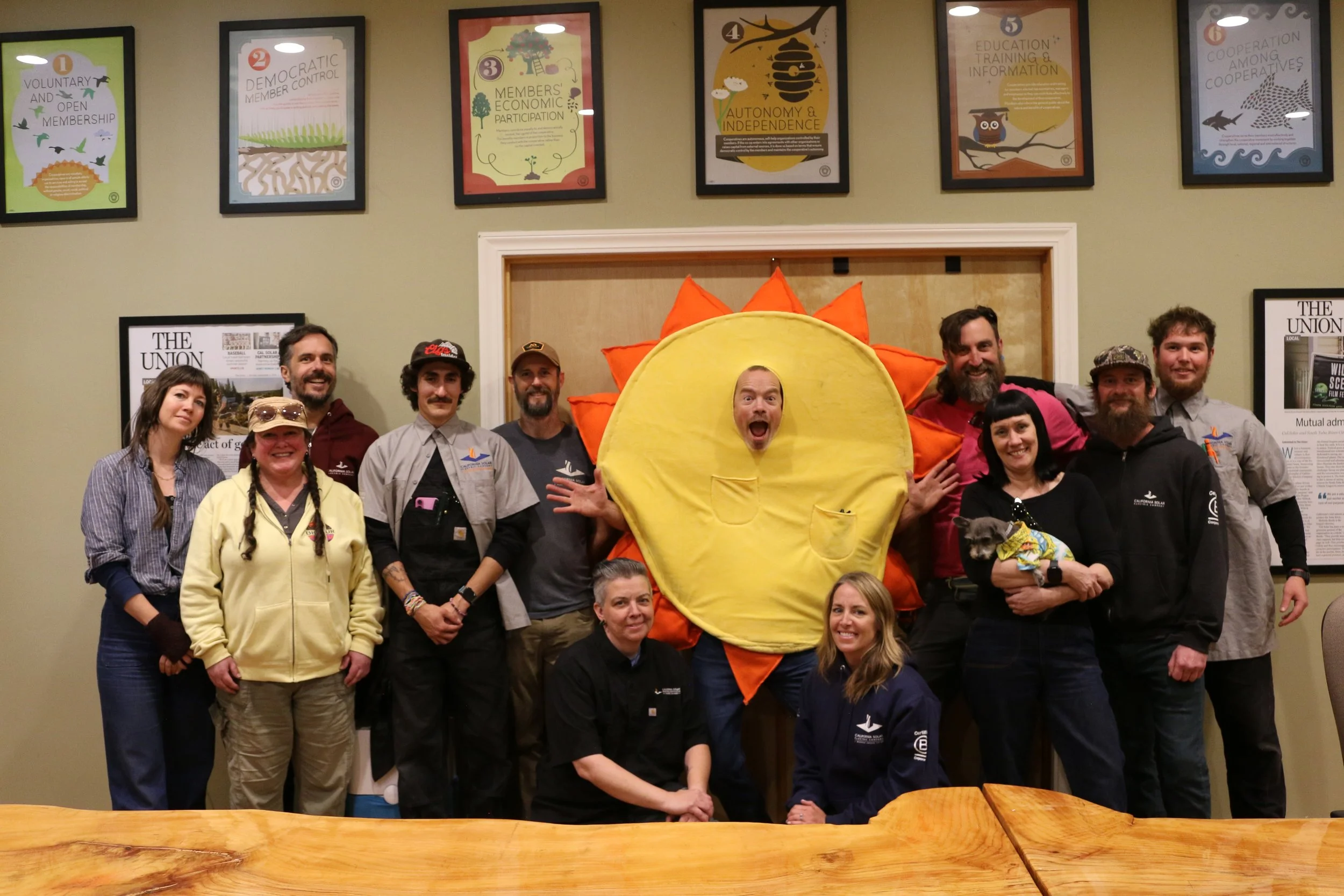
Join Us Around Town! Solar Support, Community Events, and More
We love connecting with our community, sharing knowledge, and helping our neighbors get the most out of their energy systems. Here are a few ways to connect with us this month!
Sunlight to Socket System Owner Salon
Our monthly Sunlight to Socket system owner get-togethers are held on the last Saturday of every month from 10 a.m. to 1 p.m. at our downtown Grass Valley location. Our next gathering is Saturday, August 29th, at 149 East Main Street.
Whether you have a solar or battery system installed by us or are simply curious about clean energy, we welcome you to stop by. These casual, walk-in sessions are a great opportunity to ask questions, share experiences, and connect with fellow homeowners as we work together toward greater energy independence.
Come Say Hello at the Nevada County Fair!
If you’re heading to the Nevada County Fair this month, be sure to stop by and visit our booth! This year’s fair runs August 12–16, Wednesday through Sunday, and our solar booth will be open until 8 p.m. every night.
We’d love to see familiar faces, hear your solar success stories, and share a little community pride. In fact, if you happen to stop by while we’re talking with someone considering solar, don’t hesitate to share how much you love your system! Those real-life stories are one of the best ways to show people the impact of going solar.
Repair Café Returns in September
There will not be a local Repair Café this month, but we’re excited for this community-driven event to return in September. This volunteer-led series brings local people together to repair everything from clothing and furniture to bikes and electronics, all while building stronger community connections.
The first Repair Café in May helped 70 people repair 50 items, and June’s event grew even more, with 100 people bringing in 80 items to be fixed. It’s proof that this event is about more than repairing things. It’s about repairing and strengthening our community.
We hope to see you at one of these local events. Stop by, say hello, and join us in celebrating clean energy and community connections!